
Understanding the signs of gambling addiction and how to seek help
Recognizing the Signs of Gambling Addiction
Gambling addiction, often referred to as compulsive gambling, can manifest in various subtle and overt behaviors. One of the primary signs is the inability to stop gambling despite negative consequences. Individuals may find themselves chasing losses, believing that another round could turn their luck around. For those seeking a seamless gaming experience, the instacasino app may offer the quick cash-out options they desire. This compulsive behavior often leads to mounting debts, strained relationships, and emotional distress, making it crucial to recognize these signs early.
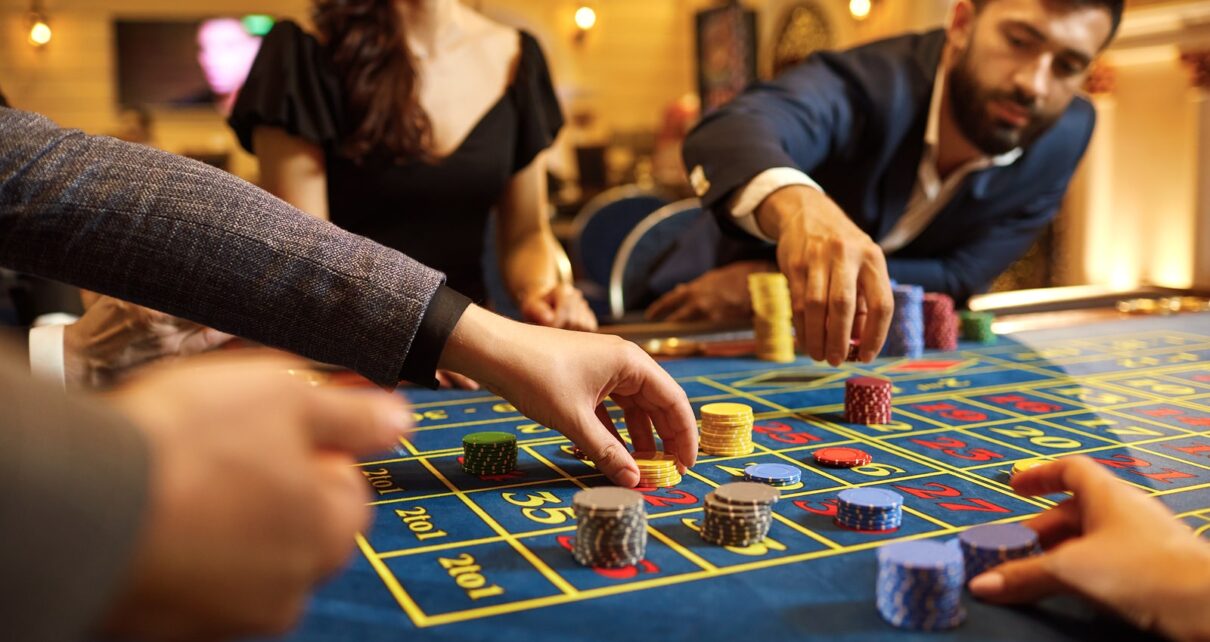
Another common indicator of gambling addiction is preoccupation with gambling activities. This might involve constantly thinking about past gambling experiences, planning future bets, or feeling restless when unable to gamble. Such thoughts can consume a person’s mind, diverting attention from work, family, and other responsibilities. Recognizing this obsession is vital as it can indicate an escalating issue that requires immediate attention.
Moreover, individuals may resort to gambling as a means to escape from stress, anxiety, or depression. This unhealthy coping mechanism can perpetuate a vicious cycle, where the temporary relief gained from gambling leads to further emotional turmoil once the activity is over. If you find that gambling is your go-to solution during tough times, it may be time to assess your relationship with this activity and seek help if needed.
The Emotional and Financial Toll of Gambling Addiction
The emotional toll of gambling addiction can be profound. Individuals often experience feelings of guilt, shame, and isolation, leading to a decline in mental health. The stress of hiding gambling behavior from loved ones can exacerbate these feelings, leading to a vicious cycle of secrecy and shame. It is essential to understand that you are not alone in this struggle; many individuals grapple with similar emotions, and recognizing them is the first step towards recovery.
Financially, gambling addiction can devastate individuals and families. Many find themselves facing crippling debt due to repeated losses, which can hinder high roller experiences and jeopardize their financial stability. They may resort to borrowing money from friends, family, or even loan sharks to fuel their gambling habits. This financial strain can lead to legal issues, bankruptcy, and even homelessness. The pressure to maintain an appearance of stability while grappling with financial ruin can lead to severe anxiety and depression.
To combat these emotional and financial repercussions, it’s crucial to seek support. Surrounding oneself with understanding individuals or support groups can alleviate the feelings of isolation. Furthermore, financial counseling may help in managing debts and developing a plan for recovery. Acknowledging the emotional and financial aspects of gambling addiction is vital in paving the way for recovery and reclaiming control over one’s life.
Seeking Professional Help for Gambling Addiction
One of the most effective ways to address gambling addiction is through professional help. Therapists and counselors specializing in gambling disorders can provide tailored strategies to cope with urges and triggers. Cognitive-behavioral therapy (CBT) is particularly beneficial as it focuses on changing harmful thought patterns and behaviors associated with gambling. This form of therapy encourages individuals to develop healthier coping mechanisms and enhance their decision-making skills.
Support groups, such as Gamblers Anonymous, offer community-based solutions where individuals can share their experiences and learn from others facing similar challenges. These groups create a safe space for accountability and support, emphasizing that recovery is a journey that does not have to be faced alone. Engaging in these supportive environments can significantly bolster one’s chances of overcoming gambling addiction.
Additionally, medications may be prescribed to help manage symptoms associated with gambling addiction, such as anxiety or depression. Consulting with a healthcare professional can provide a comprehensive approach to recovery, ensuring that all aspects of addiction are addressed. Seeking professional help not only aids in overcoming addiction but also fosters a healthier mindset and lifestyle.
Prevention and Building Healthier Habits
Prevention is a crucial aspect of combating gambling addiction. Awareness of one’s gambling patterns and triggers is essential for developing healthier habits. Setting strict limits on time and money spent gambling can help maintain control. Establishing clear boundaries ensures that gambling does not encroach on daily responsibilities and personal relationships.
Another effective preventive strategy is to find alternative activities that provide joy and fulfillment without the risks associated with gambling. Engaging in hobbies, sports, or social activities can offer a fulfilling outlet for stress relief and enjoyment. By redirecting energy into healthier pursuits, individuals can reduce the allure of gambling and promote a more balanced lifestyle.
Education about the risks and signs of gambling addiction can also empower individuals to make informed choices. Workshops, seminars, or online resources can provide valuable insights into responsible gambling practices. By fostering a culture of awareness and support, communities can play a significant role in preventing gambling addiction and encouraging healthier habits.

Resources for Gamblers and Their Families
For individuals struggling with gambling addiction and their families, numerous resources are available to provide support. National helplines, local clinics, and online platforms offer information and assistance tailored to the specific needs of those affected by gambling. These resources can guide individuals through the recovery process, ensuring they have access to necessary support and information.
Families often face their own challenges when a loved one struggles with gambling addiction. Support groups specifically designed for family members can provide the emotional support needed to navigate this difficult journey. Understanding addiction’s impact on both the individual and their loved ones can foster healthier communication and aid in the recovery process.
Additionally, websites dedicated to gambling addiction provide valuable resources such as educational materials, support networks, and access to professional help. These platforms aim to empower individuals and families by providing them with the tools needed to recognize, address, and overcome gambling addiction effectively. Utilizing these resources can significantly enhance the chances of successful recovery and healthier relationships moving forward.